
What Happens When Ceramic Coating Is Applied Too Thickly?
GET A FREE ESTIMATEApplying more ceramic coating does not automatically create a stronger or better-looking finish. In fact, excessive product can make the installation harder to control and may leave visible imperfections across the paint. Ceramic coating thickness needs to be managed carefully so the product can spread evenly, level correctly, and cure according to its intended process. For vehicle owners in Dayton, OH, understanding why application thickness matters can make it easier to recognize the difference between a carefully installed coating and one that has simply been applied too heavily.
When too much product remains on a panel, the coating may develop high spots, streaks, cloudy areas, or inconsistent gloss. These issues can become more noticeable as the coating begins to cure and bond to the surface. Correct preparation, controlled application, proper leveling, and careful inspection all contribute to a uniform result. At Dayton Detailing, ceramic coatings are applied by hand in defined sections following thorough surface preparation, helping maintain consistent coverage throughout the vehicle.
Why Ceramic Coating Thickness Matters During Application
Ceramic coating thickness affects how easily the product can be distributed and leveled across painted surfaces. A coating is designed to work within specific application requirements, and applying an unnecessarily heavy amount can interfere with the smooth, uniform finish installers are trying to achieve. Instead of adding useful protection, excess material may remain concentrated in certain areas and become harder to remove as the working period progresses. Controlling the amount of product from the beginning allows the coating to form a more consistent layer across each section of the vehicle.
Proper Product Distribution Creates a Uniform Finish
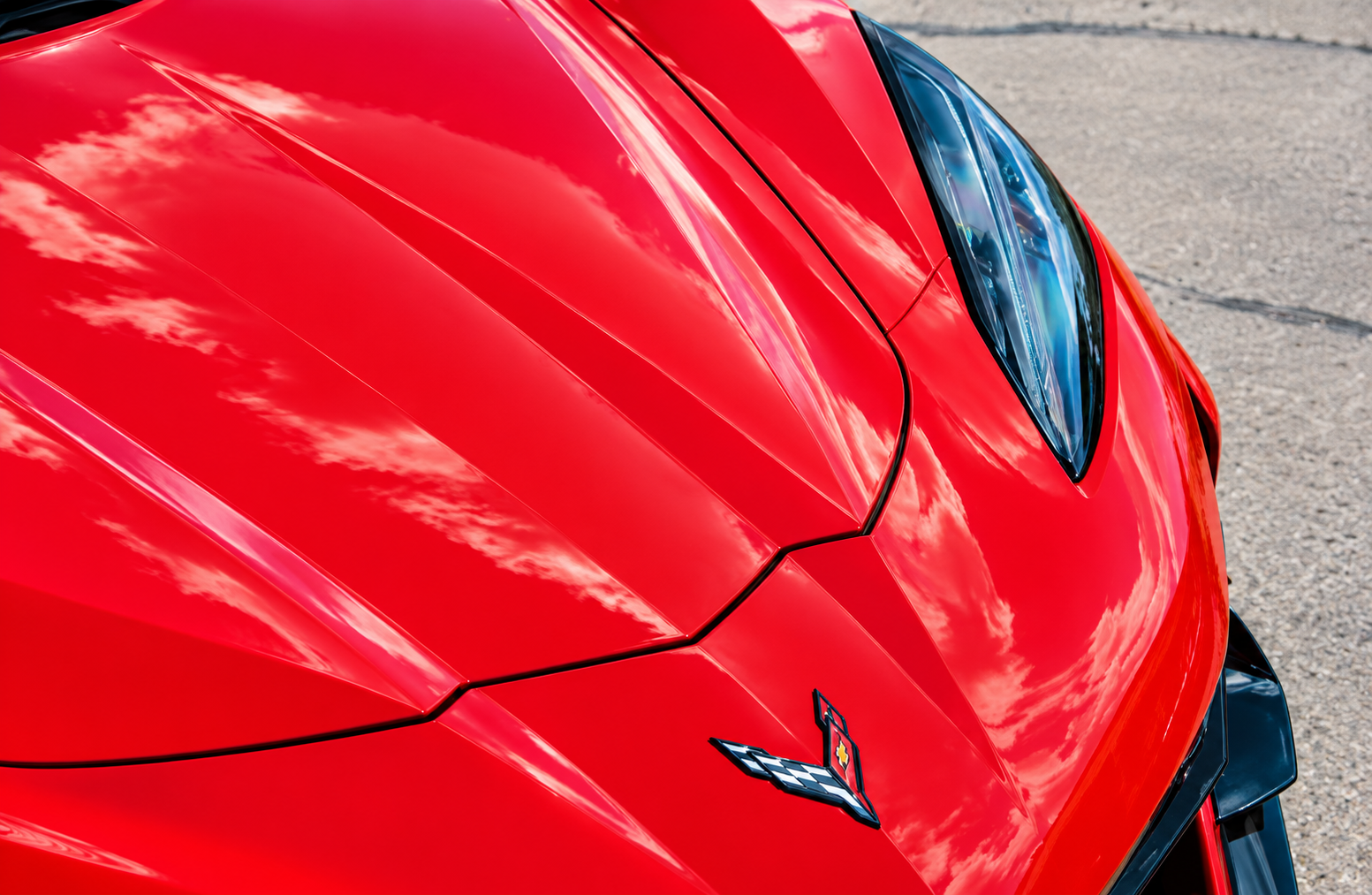
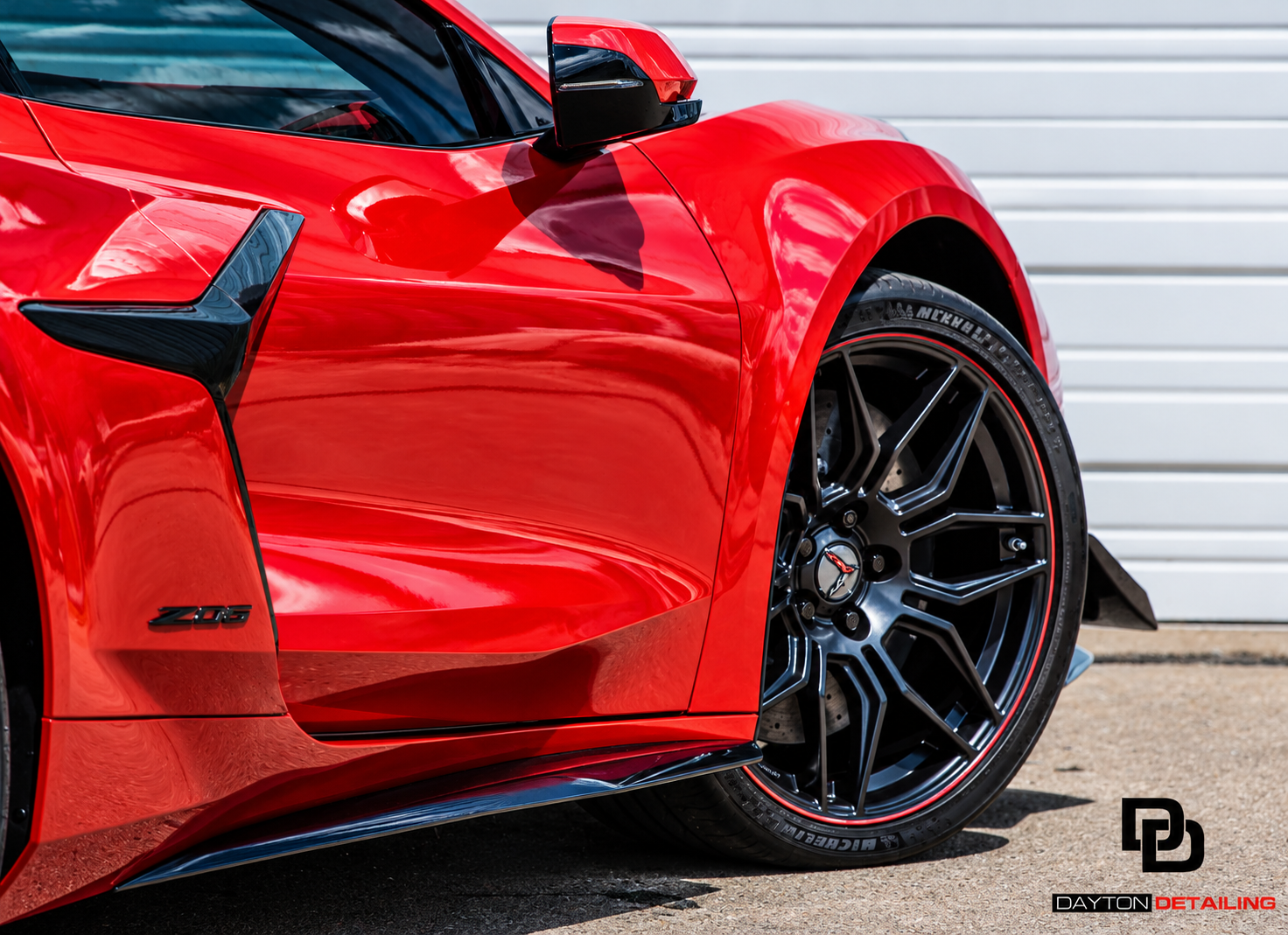
Even distribution is one of the most important parts of achieving consistent coating coverage. The applicator should carry enough product to cover the working area without leaving heavily saturated patches behind. When each pass overlaps in a controlled manner, the installer can maintain more predictable ceramic coating thickness across the panel. This becomes especially important on broad areas such as hoods, roofs, doors, and quarter panels, where uneven application can become visible under direct sunlight or strong detailing lights.
Too Much Product Can Make Leveling More Difficult
Once ceramic coating has been spread across a surface, excess material usually needs to be leveled during the appropriate working period. If a large amount has been applied, the installer may have to work harder to remove residue before it begins setting. Heavy areas can drag, smear, or repeatedly transfer across the panel instead of wiping cleanly. By applying the correct amount from the start, technicians can maintain better control over the leveling process and reduce the likelihood of leaving concentrated coating behind.
Application Thickness Can Affect the Curing Process
A coating begins changing after application as it settles and cures on the vehicle's exterior. When some sections contain noticeably more material than others, the curing process may not appear consistent across the entire panel. Heavier areas can remain visually different as surrounding sections begin developing their finished appearance. Following the product manufacturer's recommended curing procedure and maintaining controlled ceramic coating thickness help create a more uniform surface from one area of the vehicle to another.
High Spots Can Form When Too Much Coating Is Left Behind
High spots are among the most recognizable problems associated with excessive ceramic coating buildup. They can appear as darker patches, rainbow-like marks, oily-looking areas, or sections that reflect light differently from the surrounding paint. These imperfections often develop when excess coating is not properly leveled before it starts curing. Under the changing daylight conditions drivers experience around Dayton, OH, a high spot that was difficult to notice indoors may become much more obvious once the vehicle is outside. Careful panel-by-panel inspection helps identify these areas before the coating progresses too far into the curing process.
Excessive Ceramic Coating Thickness Can Cause Streaking
Streaking can occur when excess coating is moved across the surface rather than completely leveled away. Instead of producing an uninterrupted finish, the application may leave lines, wipe patterns, or patches that become visible from different angles. Darker paint colors can make these inconsistencies particularly noticeable because reflected light reveals variations more clearly. Proper application requires enough product for complete coverage without saturating the surface. Working in controlled sections also gives the installer enough time to inspect the panel before moving to the next area, reducing the chance of allowing streaks to remain unnoticed.
Why Haziness Can Develop After Overapplication
A properly finished coating should support paint clarity rather than leave the surface looking cloudy or smeared. When too much product remains after application, however, excessive residue may create a hazy appearance that reduces the clean reflection vehicle owners expect. This can sometimes resemble leftover polishing residue or an oily film across the paint. The problem becomes especially noticeable under bright shop lighting or direct Ohio sunshine. Controlling ceramic coating thickness and thoroughly checking every treated section allow technicians to address remaining residue before it begins curing into a more difficult surface imperfection.
How Excessive Coating Can Create an Inconsistent Appearance
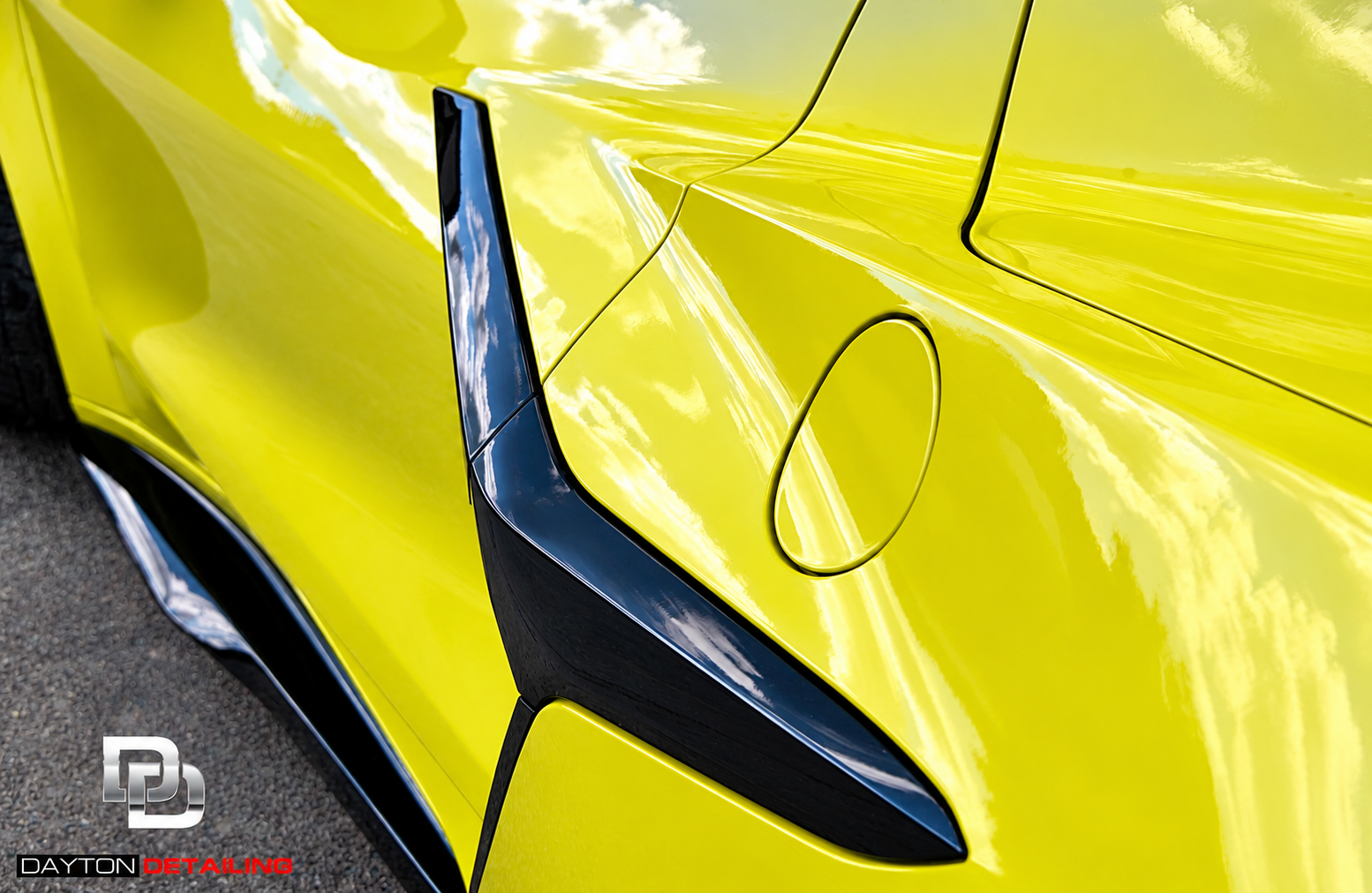
Uniformity matters because a vehicle's finish is viewed as one continuous surface rather than a collection of individual panels. If one area receives substantially more ceramic coating than another, differences in gloss, reflection, darkness, or clarity may become noticeable. Large horizontal panels can be particularly revealing because light travels across them continuously, making uneven areas easier to spot. Professional application focuses on maintaining consistent product distribution rather than using the greatest possible amount. This controlled approach helps the completed coating look balanced across the hood, roof, doors, fenders, and other treated exterior surfaces.
What Happens When an Overapplied Coating Begins to Cure
Overapplication becomes more difficult to address once the coating advances through its curing process. During the early working period, an installer may still be able to level excessive material, but that opportunity becomes increasingly limited as the product begins bonding to the surface. This is why coating installation requires attention throughout the entire process rather than simply spreading the product and checking it later. Carefully managing each section before proceeding helps prevent minor application mistakes from becoming cured imperfections that require additional correction.
Excess Product Can Become Harder to Level
The longer excess coating remains untouched, the more difficult it may become to remove through normal leveling. A section that could have been corrected shortly after application may begin resisting the towel or leaving additional marks once curing progresses. Installers therefore need to understand the working characteristics of the coating they are using rather than applying several panels before returning to inspect them. Smaller working sections provide better control and make it easier to address excess material at the proper time.
Surface Imperfections May Become More Noticeable
Streaks, high spots, and uneven patches do not always look severe immediately after application. As the surface changes during curing, however, differences between properly leveled sections and areas containing excess material can become easier to see. Different lighting conditions may reveal marks that were subtle during the original application. A careful final inspection is therefore an important part of professional ceramic coating installation. Dayton Detailing includes a final review after its coating process to check the completed work before the vehicle returns to the owner.
Correction May Require Additional Polishing or Reapplication
If excessive coating has cured completely, simply wiping the area again may no longer correct the appearance. Depending on the product and severity of the imperfection, the affected section may need to be polished to reduce or remove the cured material. The coating can then require reapplication to restore consistent coverage. This additional work is one reason installers focus heavily on controlling ceramic coating thickness during the initial application rather than trying to correct preventable buildup after curing.
Why Applying More Ceramic Coating Does Not Always Mean Better Protection
It is easy to assume that a heavier coating must provide greater durability, but coating performance depends on more than the amount of liquid placed on the paint. Surface preparation, proper application, product specifications, curing conditions, and maintenance all contribute to the finished result. Using excessive material can actually make installation less predictable without delivering meaningful additional benefits. We offer coating packages designed around specific products and applications, including single applications of long-term coatings in some packages, demonstrating why following the intended coating system matters more than unnecessarily increasing the amount used.
Proper Application Technique Helps Control Ceramic Coating Thickness
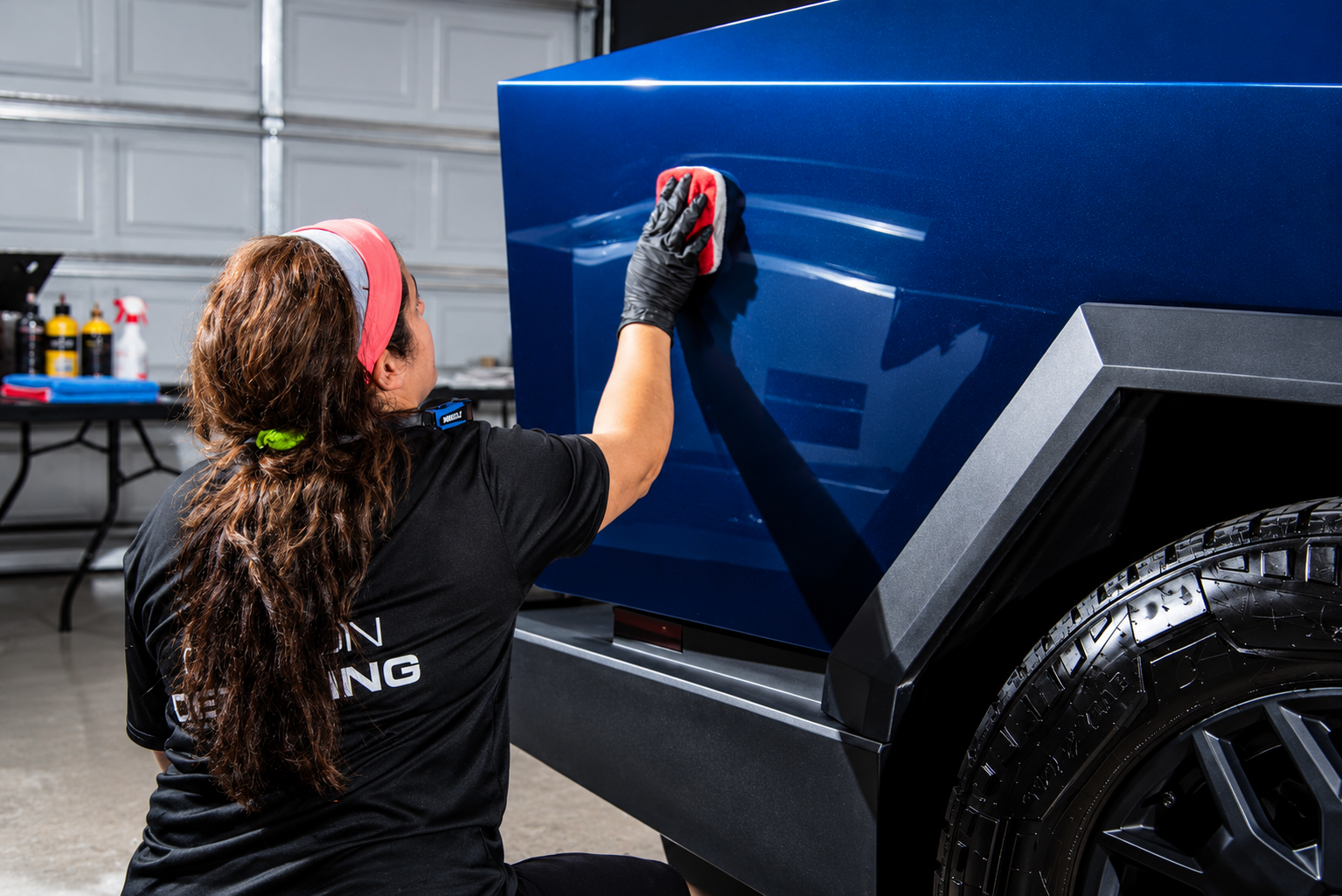
Consistent ceramic coating thickness starts with controlled technique. The installer must properly load the applicator, work manageable sections, spread the material evenly, and monitor how the coating reacts on the surface. Lighting is also important because it allows technicians to view the panel from multiple angles and identify residue before it progresses through curing. Dayton Detailing states that its technicians manually apply ceramic coating in carefully defined sections to achieve uniform coverage before allowing the product to cure for the duration recommended by the coating provider.
Why Surface Preparation Matters Before Applying the Coating
The condition of the paint beneath the coating can directly affect how consistent the final surface appears. Dirt, bonded contamination, polishing residue, and existing imperfections can interfere with application or make the finished coating look uneven even when the correct amount is used. Dayton Detailing begins its ceramic coating process by cleaning exterior surfaces and using clay-bar decontamination before inspecting the paint and incorporating paint correction where appropriate. Preparing a smooth, clean foundation allows technicians to focus on controlling product distribution instead of applying coating over defects or contamination.
How Professional Application Helps Prevent Excessive Product Buildup
Professional coating installation combines product knowledge with careful timing, lighting, preparation, and inspection. An experienced technician understands that different panels may require adjustments in working area or leveling speed depending on environmental conditions and product behavior. Rather than assuming that additional product will improve the result, the goal is to achieve complete and consistent coverage with the appropriate amount. For Dayton, OH vehicle owners, we provide professional hand-applied ceramic coating services supported by surface preparation, paint examination, controlled application, curing, and a final inspection process.
Maintaining a Uniform Ceramic Coating Finish After Installation
Proper coating care continues after the application itself is complete. Vehicle owners should respect the recommended curing period and avoid unnecessary washing, chemicals, or surface contact before the coating is ready for normal maintenance. Once cured, appropriate washing practices help preserve the gloss, hydrophobic behavior, and overall consistency of the protected finish. Dayton Detailing also offers ongoing detailing support and notes that its maintenance process can help preserve coating quality and warranty requirements. Following installer guidance helps the coating continue performing as intended instead of introducing avoidable problems shortly after application.
Get Professional Ceramic Coating Application in Dayton, OH
Ceramic coating thickness should be carefully controlled rather than maximized. Applying too much material can lead to high spots, streaking, haziness, uneven reflections, difficult leveling, and additional correction once the product has cured. Correct preparation, measured product use, careful hand application, proper curing, and final inspection all help create the consistent finish vehicle owners expect. We provide ceramic coating services in Dayton, OH, with a structured installation process designed around surface preparation and uniform coverage. Vehicle owners who want professionally applied protection can
contact us to learn more about the ceramic coating options available for their vehicle.
