
Paint Protection Film vs. Vinyl Wrap: Key Differences for Car Owners
GET A FREE ESTIMATEEvery car owner eventually wonders whether the better investment is protecting the paint they already love or changing the look of the vehicle entirely. The debate around paint protection film vs. vinyl wrap comes up often because both products are thin films applied directly to a vehicle’s exterior, yet they are built for very different jobs. For drivers in Dayton, OH, the question carries extra weight, since winter road salt, loose gravel, summer sun, and constant highway debris all take a toll on paint. This guide explains what each option is, how they differ in protection, appearance, and durability, where each one works best, and how to decide which suits your goals so you can choose with confidence.
What Is Paint Protection Film (PPF)?
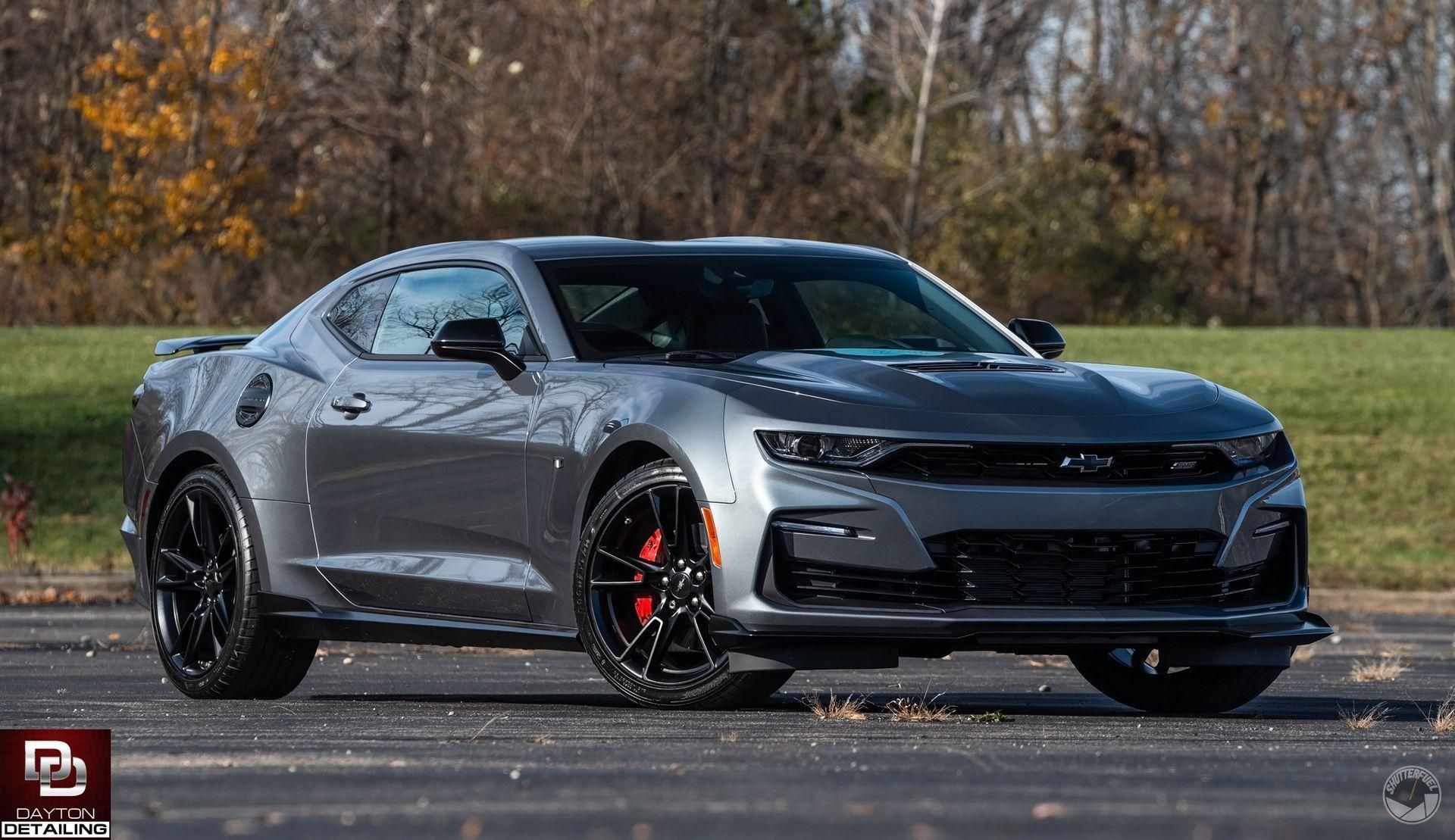
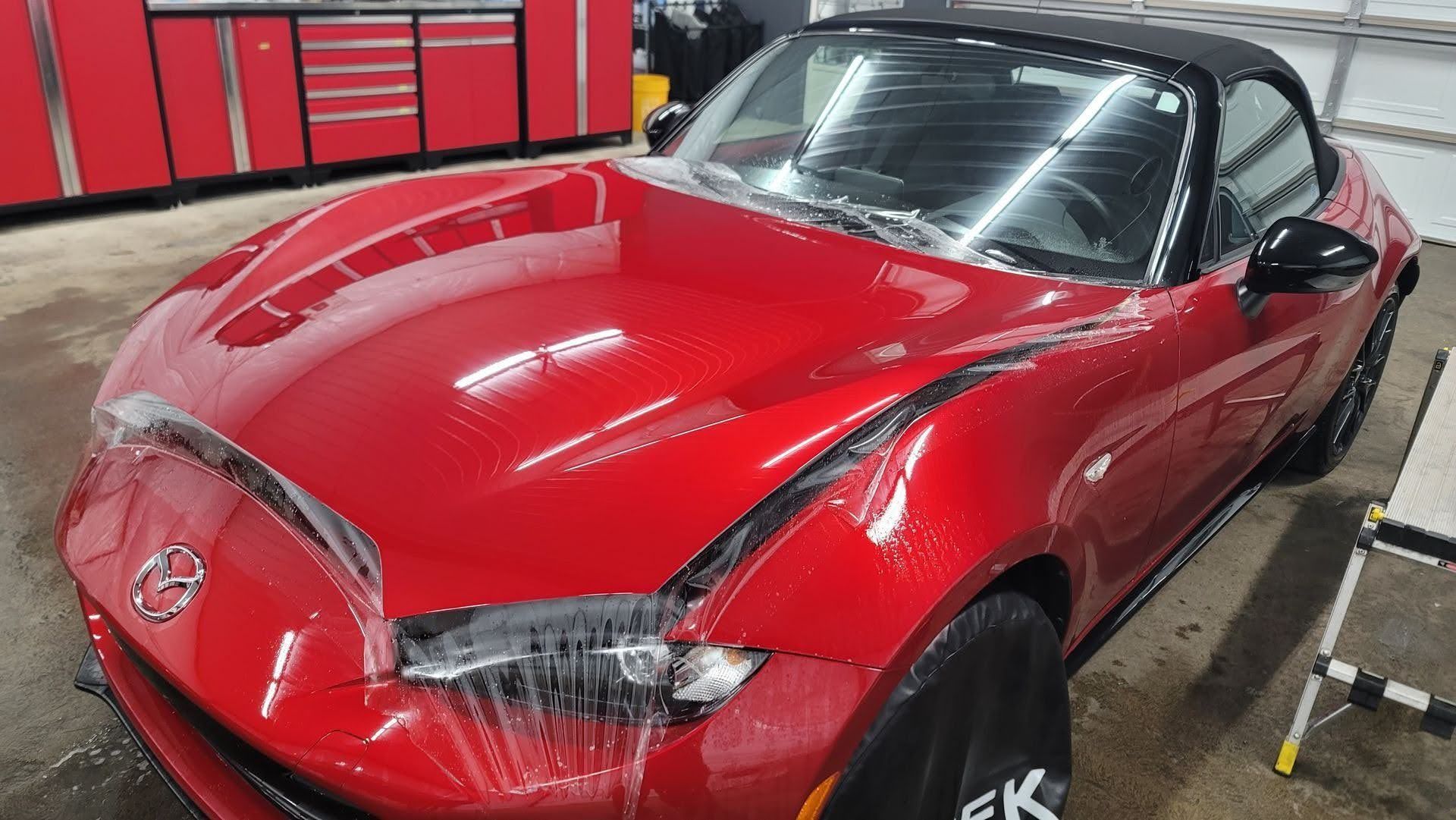
Paint protection film, often shortened to PPF, is a clear, durable urethane-based film that is professionally applied to a vehicle’s painted surfaces to shield them from everyday damage. Its main purpose is to preserve the factory finish by absorbing the small impacts and abrasions that would otherwise chip, scratch, or dull the paint underneath. Quality films also feature a self-healing top coat, which allows light swirl marks and fine scratches to gradually disappear when exposed to warmth from the sun or warm water. Owners commonly choose coverage for high-impact areas such as the hood, front bumper, fenders, mirrors, and rocker panels, while others protect the entire vehicle. If you want to explore this option locally,
Dayton Detailing offers paint protection film in Dayton, OH tailored to the way you drive and the coverage you want.
What Is Vinyl Wrap?
A vinyl wrap is a thin, flexible film made to change the appearance of a vehicle rather than defend it from damage. It is printed or manufactured in a huge variety of colors and textures, which makes it popular with owners who want a fresh look without committing to a permanent repaint. Finishes range from classic gloss and subtle satin to bold matte, brushed metal, chrome, and color-shifting effects that change with the light. Beyond full color changes, wraps are often used for roof panels, mirror caps, racing stripes, and custom accents, and businesses frequently rely on them for branded fleet graphics. In short, a vinyl wrap is a styling tool first, and any protection it offers to the paint beneath is a secondary benefit.
Paint Protection Film vs. Vinyl Wrap: Core Differences
Although the two films can look similar during installation, the differences between them become clear once you compare how they perform and what they are meant to accomplish. Understanding these distinctions is the most important step in choosing the right product, because picking the wrong one can leave you with either a great-looking car that is still vulnerable or a well-protected car that looks exactly as it did before. The sections below break the comparison into three practical areas: protection, appearance, and material durability.
Protective Capabilities
When it comes to defending paint, paint protection film is in a class of its own. Its thick urethane construction is engineered to absorb the impact of rock chips, road debris, bug acids, bird droppings, and light scratches, while also helping resist fading caused by prolonged UV exposure. A vinyl wrap, on the other hand, is thin and designed for looks, so it offers only minimal surface protection and can be cut, torn, or punctured by the same debris that PPF easily withstands. This matters a great deal in Dayton, where road salt, gravel from winter treatments, and seasonal debris constantly strike the front end of vehicles. For owners focused on keeping paint in excellent condition, PPF delivers the stronger defense.
Appearance and Customization Options
Appearance is where vinyl wrap truly shines. With hundreds of colors, textures, and finishes available, a wrap can transform a plain daily driver into something completely personal, from a deep satin black to a vivid color-shift that turns heads in every parking lot. Paint protection film takes the opposite approach by staying virtually invisible, preserving the original color while often enhancing the depth and gloss of the paint beneath it. Some owners also choose matte-finish PPF to give a gloss paint job a subtle satin look while still gaining protection. If you love your car’s current color and simply want it to stay flawless, PPF keeps it looking the way it left the factory.
Material Characteristics and Durability
The materials behind each film explain much of the difference in how long they last. PPF is made from a thicker, flexible urethane with a self-healing surface and strong stain resistance, so it can typically stay clear and effective for several years with proper care. Vinyl wrap is a thinner, PVC-based material that is more prone to light scratching, fading, and edge lifting, which generally gives it a shorter lifespan. Maintenance also differs, since PPF can be washed and cared for much like paint, while wraps often need gentler handling and more careful cleaning. Both films can be removed by a skilled professional, but PPF is designed to leave the paint underneath in the condition it was protected.
Typical Applications: Where Each Option Works Best
Knowing where each film performs best helps narrow your decision even before you compare budgets or finishes. Paint protection film tends to be the preferred choice for owners who care about long-term paint preservation, including those with brand-new vehicles, luxury and performance cars, leased vehicles, and anyone planning to protect resale value. It is especially effective on high-impact areas like the hood, bumper, and fenders, where road debris causes the most damage. Vinyl wrap is better suited to color changes, custom styling, commercial fleet branding, and temporary looks that you may want to refresh later. It is also worth noting that both films are removable when installed and taken off correctly, which gives owners flexibility down the road.
Which One Is Right for You?
The right choice depends less on which product is better overall and more on what you want your vehicle to accomplish. Some owners care most about preserving paint, others want a head-turning custom look, and many want a little of both. Thinking honestly about your priorities, your budget, and how you use your car each day will make the decision much simpler. The following scenarios can help you match your goals to the right solution.
If You Prioritize Paint Protection
If your top concern is keeping your paint free from chips, minor scratches, and fading, paint protection film is the clear recommendation. It is built to take the daily abuse that Dayton roads deliver, from gravel and salt to highway debris, and it keeps the original finish looking fresh for years. Over time, that protection can translate into real value, since a vehicle with well-preserved paint is easier to sell and often commands a stronger resale price. For owners of new, leased, or high-value vehicles, PPF is a smart long-term investment that pays off in both appearance and peace of mind.
If You Prioritize Styling
If you are mainly after a new look, a vinyl wrap offers unmatched flexibility and is often more affordable than a custom paint job. You can experiment with bold colors and finishes, enjoy a completely different style, and change your mind later without permanently altering the factory paint. This makes wraps appealing for enthusiasts, business owners, and anyone who likes to refresh their vehicle’s personality from time to time. Just keep in mind that a wrap is not designed to withstand heavy impacts, so it works best when appearance is the main goal rather than defense.
If You Want Both
Many car owners discover that they want both beauty and protection, and the good news is that these goals do not have to compete. A common approach is to apply paint protection film to the most vulnerable areas, such as the front bumper, hood, and mirrors, while using a wrap or other styling choices to personalize the rest of the vehicle. Because every car and budget is different, the best way to find the right balance is to speak with a professional who can evaluate your vehicle and explain your options. Dayton Detailing can help you understand how protective film fits into your plans so your final result looks great and lasts.
Benefits of Professional Film Installation in Dayton, OH
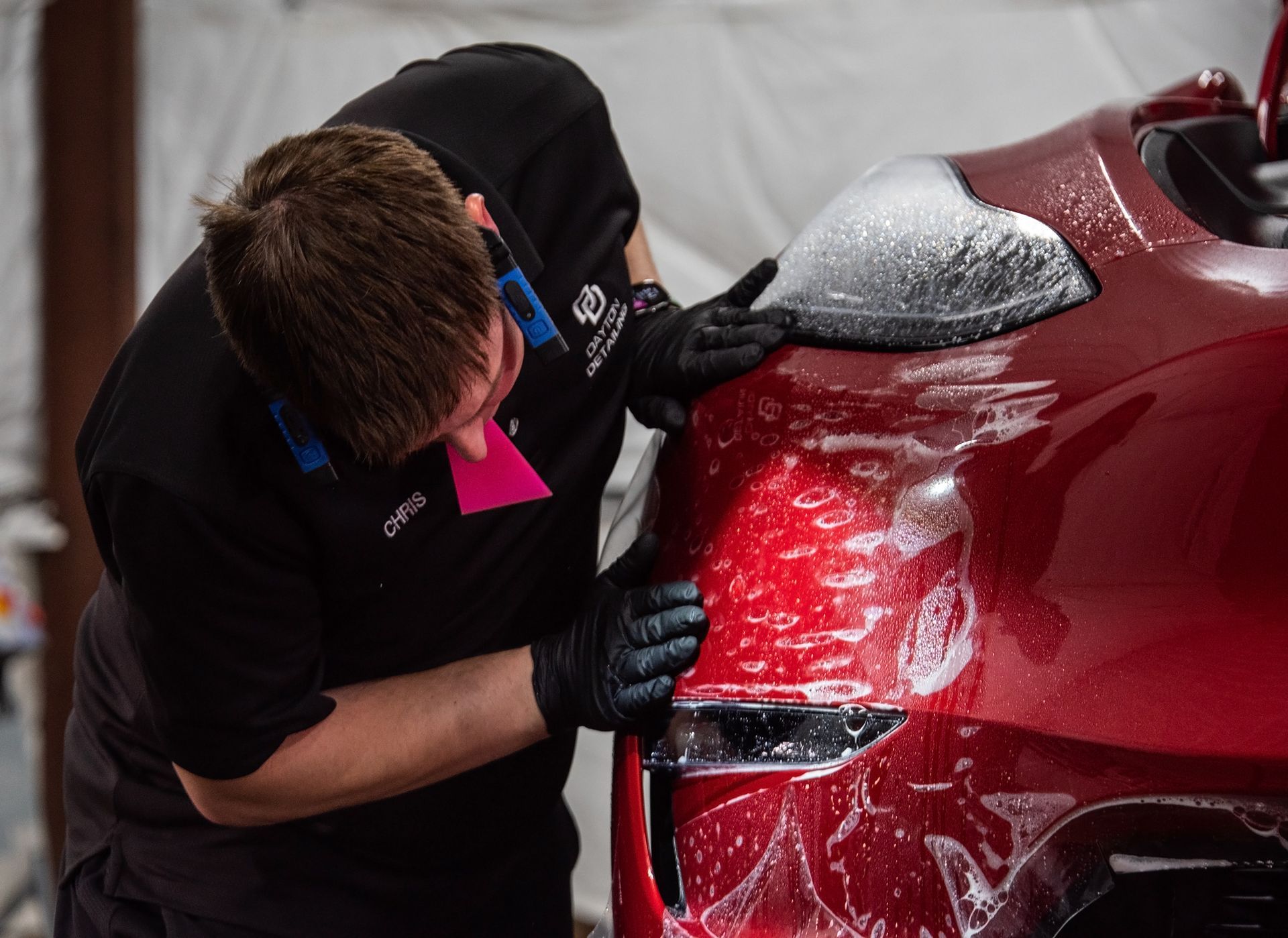
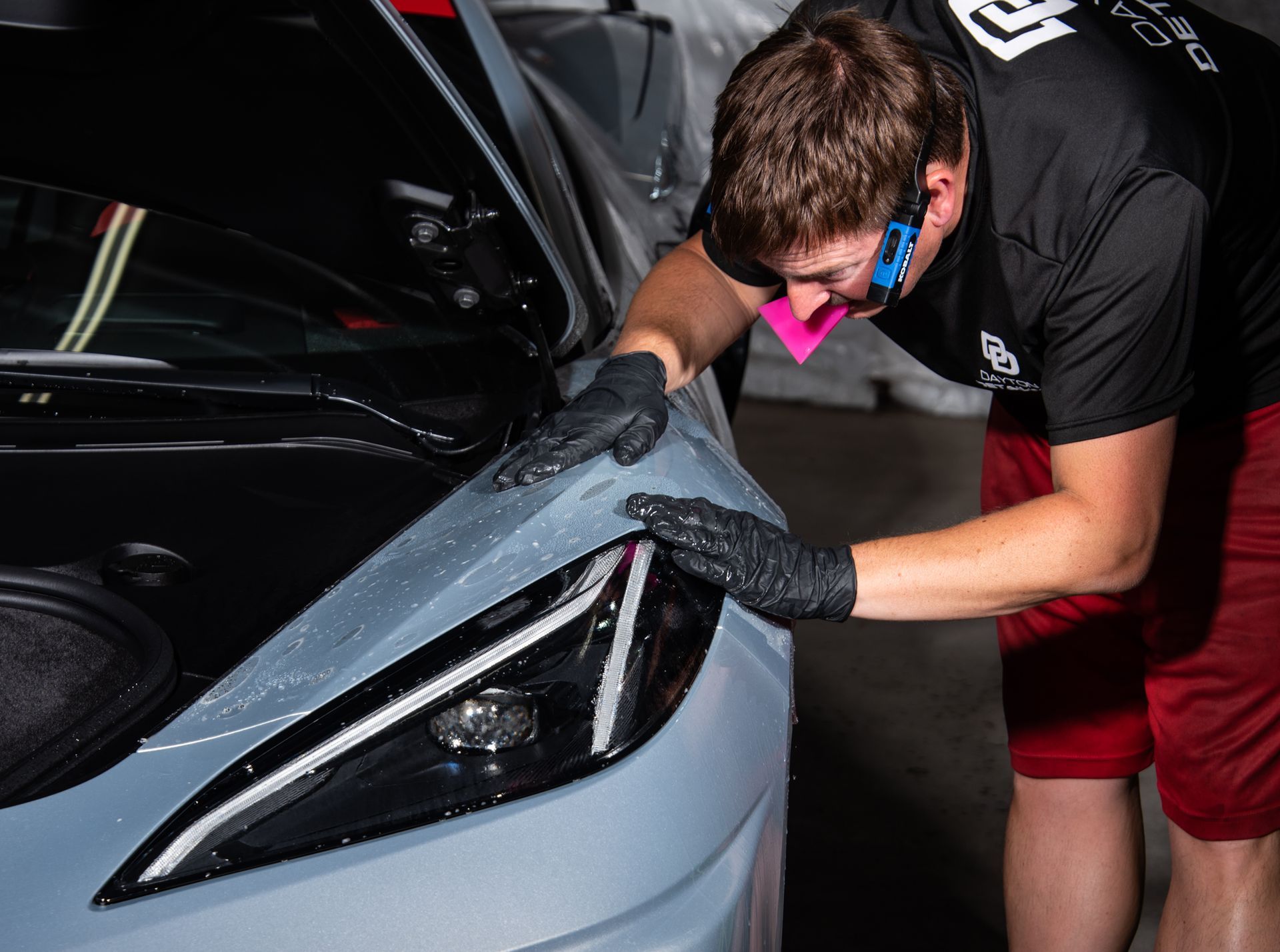
Even the best film will underperform if it is not installed correctly, which is why professional application is so important. Skilled technicians prepare the surface carefully, position the film precisely, and seal the edges properly, all of which affect how clean the finish looks and how long it lasts. In Dayton, the stakes are higher because vehicles face winter salt, freezing temperatures, and sharp seasonal temperature swings that can expose weak installations quickly. Choosing an experienced local team means your film is applied with the right technique and backed by people who understand the conditions your vehicle faces every day. For professional paint protection film installation in Dayton, OH, Dayton Detailing offers solutions designed to help preserve your vehicle’s original paint against everyday road debris and surface damage.
Final Thoughts: Choosing Between PPF and Vinyl Wrap
The simplest way to remember the difference is that PPF protects while vinyl wrap transforms. When you weigh paint protection film vs. vinyl wrap, the best option is the one that matches your priorities, whether that means preserving your factory finish, creating a custom look, or combining both with a thoughtful plan.
Contact us today to learn more about paint protection film installation in Dayton, OH, and find the right solution to protect your vehicle’s paint and achieve your desired look.
