
Ceramic Coating for Rainy Weather: How It Helps Water Roll Off Faster
GET A FREE ESTIMATERainy weather can make keeping a vehicle clean and presentable more difficult, especially when frequent showers leave behind moisture, road grime, dirt, and mineral deposits. For drivers in Dayton, OH, wet roads can quickly turn a clean exterior into a surface covered with water droplets and traffic film. A hydrophobic ceramic coating can help change how rainwater interacts with painted surfaces by encouraging water to bead and move away more easily. This water-repelling behavior can make routine maintenance easier while helping the vehicle maintain a cleaner, glossier appearance between washes. At Dayton Detailing, ceramic coating is designed to provide an added layer of protection while making everyday exterior care more manageable.
How Hydrophobic Ceramic Coating Changes Water Behavior
A major benefit of ceramic coating during rainy weather is the way its hydrophobic properties influence water movement across the vehicle's paint. Instead of spreading broadly across the surface, rainwater tends to gather into rounded droplets that can move away more readily. This can be especially useful when driving around Dayton, where changing weather and wet road conditions can expose vehicles to moisture and road contaminants. The result is a surface that is easier to maintain because less water tends to remain spread across the painted panels after rainfall.
Water Beading and Faster Runoff
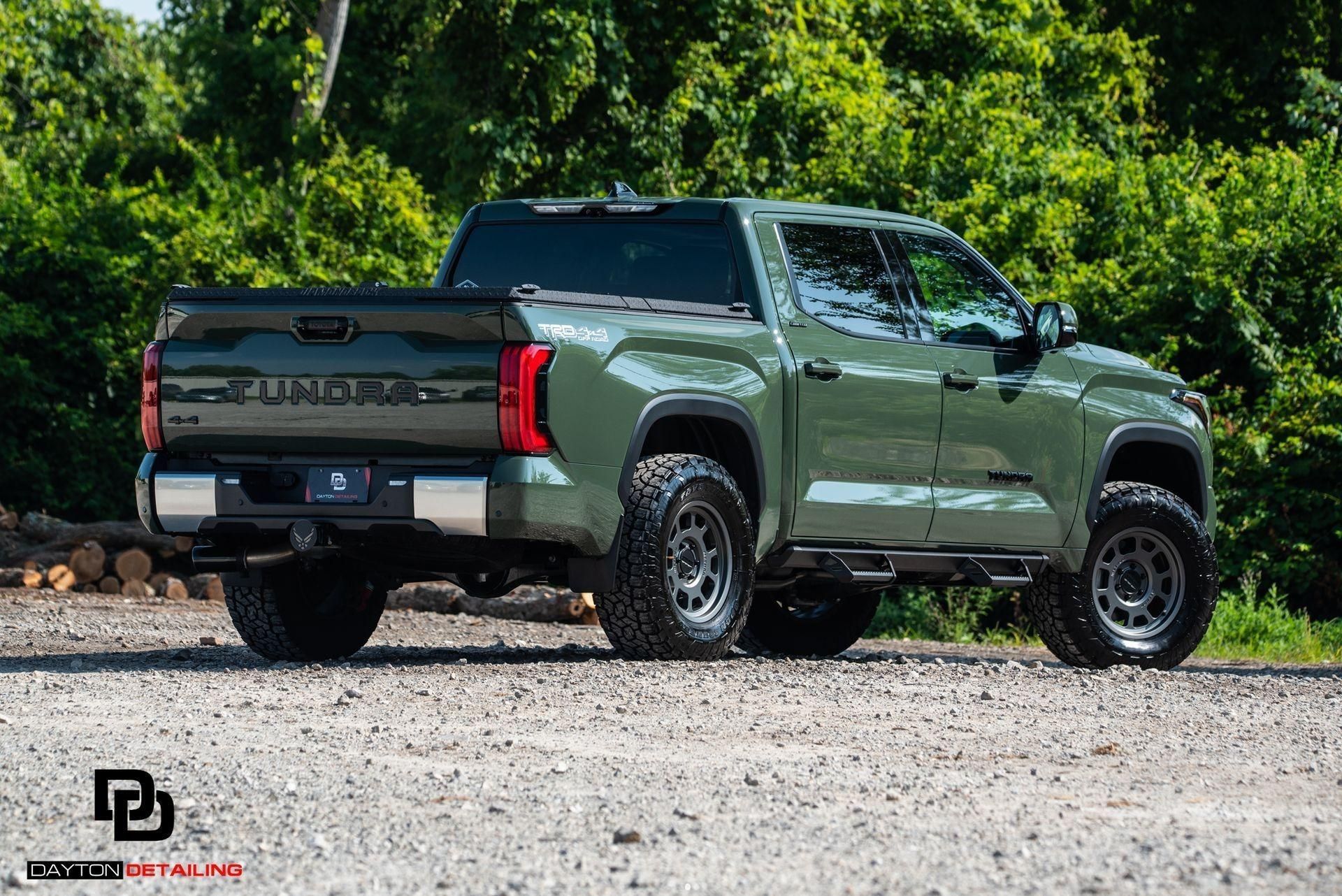
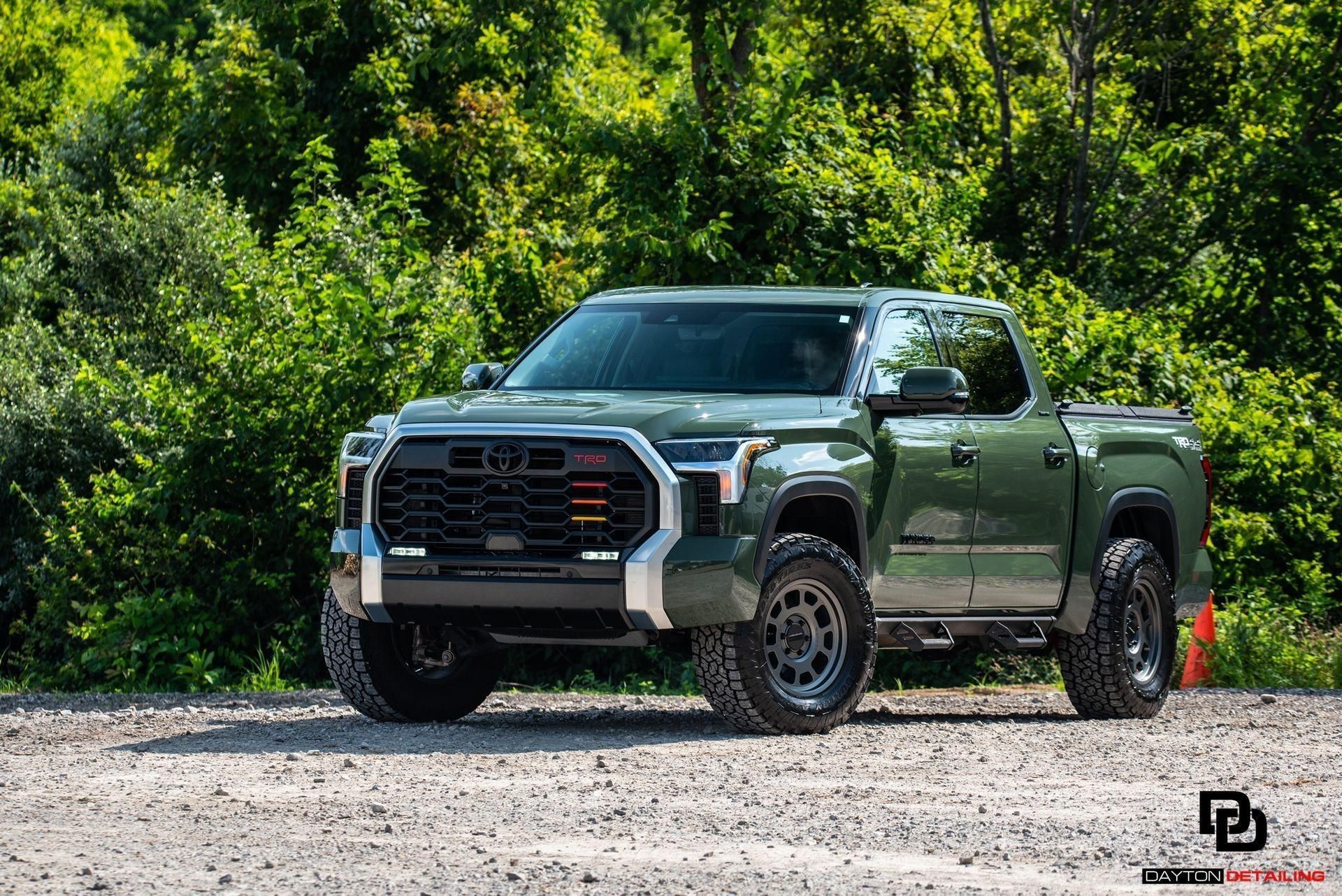
Water beading is one of the most noticeable characteristics of a hydrophobic ceramic coating. When rain reaches a properly coated vehicle, the water can form distinct droplets rather than flattening across the paint. Because these droplets have less contact with the surface, they can move more easily when gravity, airflow, or vehicle movement acts on them. On sloped panels such as hoods, roofs, and trunk lids, water may roll away naturally, while driving can encourage additional runoff. This does not mean every drop disappears immediately, but it can significantly change the way moisture behaves on the exterior.
Why Less Standing Water Matters
When water remains on painted surfaces for extended periods, it has more opportunity to collect airborne particles and contaminants before eventually drying. A hydrophobic surface can help reduce the amount of moisture that remains spread across the vehicle after rain. Faster movement of water can therefore contribute to easier post-rain maintenance, particularly when the vehicle is regularly driven through wet conditions. While ceramic coating cannot eliminate every water spot or prevent contamination from reaching the paint, its water-repelling characteristics can support a cleaner surface by helping moisture move away rather than remaining in place.
How Driving Conditions Affect Water Runoff
Water runoff is influenced by more than the coating itself. Vehicle speed, airflow, panel angles, rainfall intensity, and the shape of individual body panels can all affect how quickly water moves across the exterior. A coated hood may shed water differently from a vertical door or a flat section of the roof. During a drive through Dayton, airflow can also encourage droplets to move across or away from exposed panels. Ceramic coating supports this natural movement by creating a surface where water is less likely to spread and cling as readily as it would on untreated paint.
How Ceramic Coating Helps Reduce Rain-Related Water Spots
Water spots are a common concern for vehicle owners because rainwater can contain minerals and environmental contaminants that remain behind when droplets evaporate. If water sits on the paint and dries repeatedly, those deposits can become more noticeable, particularly on darker vehicles with glossy finishes. A hydrophobic ceramic coating can help by encouraging rainwater to bead and move away from the surface instead of remaining in place for long periods. However, coating does not make paint completely resistant to water spots, which is why proper washing and drying remain important parts of vehicle maintenance in Dayton's changing weather.
Why Rain Can Leave More Dirt and Grime Behind
Rain itself may be clean when it first reaches the vehicle, but conditions on the road can quickly change the situation. Water moving over wet pavement can pick up dust, oils, dirt, and other road contaminants before splashing onto the vehicle. During rainy drives in Dayton, this mixture can collect along lower doors, rocker panels, bumpers, and other exposed areas. A ceramic-coated surface can make routine cleaning more manageable because its smooth, water-repelling characteristics can help reduce how strongly some contaminants cling to the exterior. Regular washing is still necessary, but the surface can be easier to maintain between deeper cleaning sessions.
Easier Vehicle Washing During the Rainy Season
A vehicle that frequently encounters rain also needs consistent washing to remove the contaminants that accumulate during wet driving. Ceramic coating can support this routine because its hydrophobic surface helps water move across the paint more readily, making rinsing an important part of maintenance. Loose dirt and surface debris can often be removed more efficiently when the vehicle is washed using proper techniques and suitable products. For Dayton drivers who want to spend less time struggling with a heavily soiled exterior, a professionally applied coating can make regular vehicle care more convenient without replacing the need for responsible washing practices.
Maintaining a Cleaner, Glossier Exterior in Wet Weather
Rainy conditions can quickly reduce the freshly detailed appearance of a vehicle, particularly when water mixes with road grime and dries unevenly across the paint. A properly maintained ceramic coating can help the exterior retain a cleaner appearance by encouraging water to bead rather than forming a continuous film over the surface. The coating also contributes to the glossy finish many vehicle owners want to preserve after professional detailing. For drivers in Dayton, this combination of hydrophobic performance and easier maintenance can be particularly valuable during periods when frequent rainfall makes exterior cleanliness harder to maintain.
How Ceramic Coating Supports Paint Protection During Rainy Driving
Ceramic coating does more than change the way water behaves on the vehicle. It creates a protective layer over the paint that can help the exterior withstand everyday environmental exposure. Rain, road contaminants, dust, and grime are all part of normal driving, and repeated exposure can make maintaining a vehicle's finish more challenging over time. A professionally installed coating provides an additional layer between the painted surface and everyday contaminants while supporting easier cleaning. For Dayton drivers, this makes ceramic coating a practical part of a broader approach to maintaining the appearance and condition of a vehicle.
What Dayton Drivers Should Consider Before Choosing Ceramic Coating
Choosing ceramic coating should begin with considering how the vehicle is used and maintained rather than focusing only on its appearance immediately after installation. A vehicle that is parked outdoors, driven frequently, or exposed to changing Dayton weather may benefit from the added protection and easier maintenance associated with a coated surface. The current condition of the paint is also important because oxidation, stains, and contamination may need attention before the coating is applied. At Dayton Detailing, proper preparation is an important part of achieving a clean and consistent finish, helping ensure the protective coating bonds effectively to the prepared surface.
How Professional Application Supports Lasting Hydrophobic Performance
Professional application plays an important role in achieving consistent hydrophobic behavior across the vehicle. Ceramic coating performance depends not only on the product used but also on the condition of the paint, preparation process, application technique, and curing conditions. Inconsistent preparation or application can affect the final appearance and performance of the coating. Working with Dayton Detailing gives vehicle owners access to a service-focused process designed around preparing the surface and applying the protective coating carefully. Proper installation can help the finished surface deliver the water-beading and easier-maintenance characteristics drivers expect from ceramic coating. Professional ceramic coating installation helps create a consistent protective surface that supports stronger water beading and easier maintenance during rainy weather.
Proper Paint Preparation
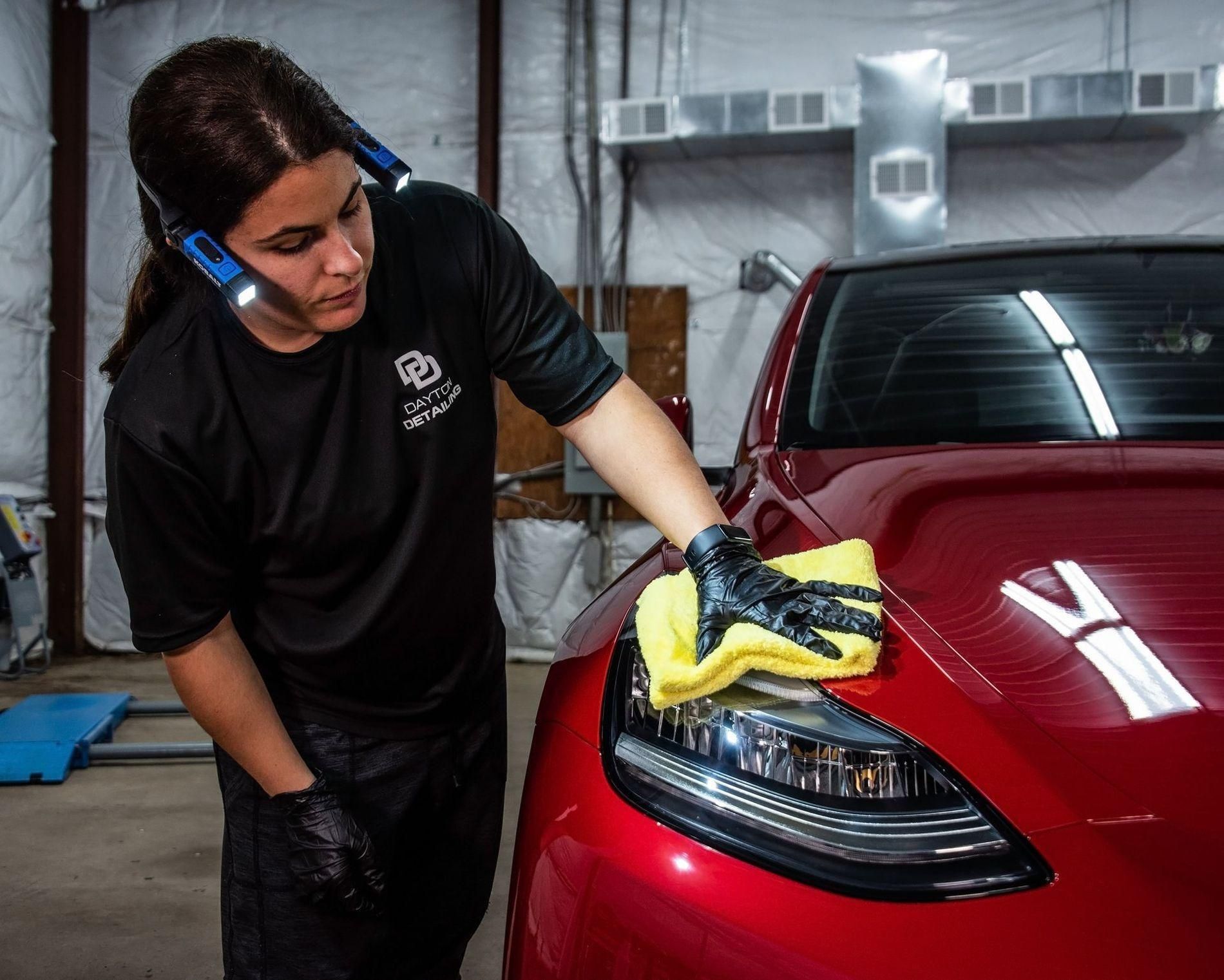
Paint preparation is one of the most important stages before ceramic coating is applied. Dirt, embedded contaminants, residue, and other imperfections can interfere with the coating's ability to bond properly to the painted surface. Preparing the exterior helps create a cleaner foundation for the coating and can improve the consistency of the finished appearance. Depending on the vehicle's condition, preparation may involve thorough cleaning and decontamination before the protective coating is installed. Taking this step seriously helps Dayton Detailing provide a more uniform surface where the coating can perform as intended.
Even Coating Application
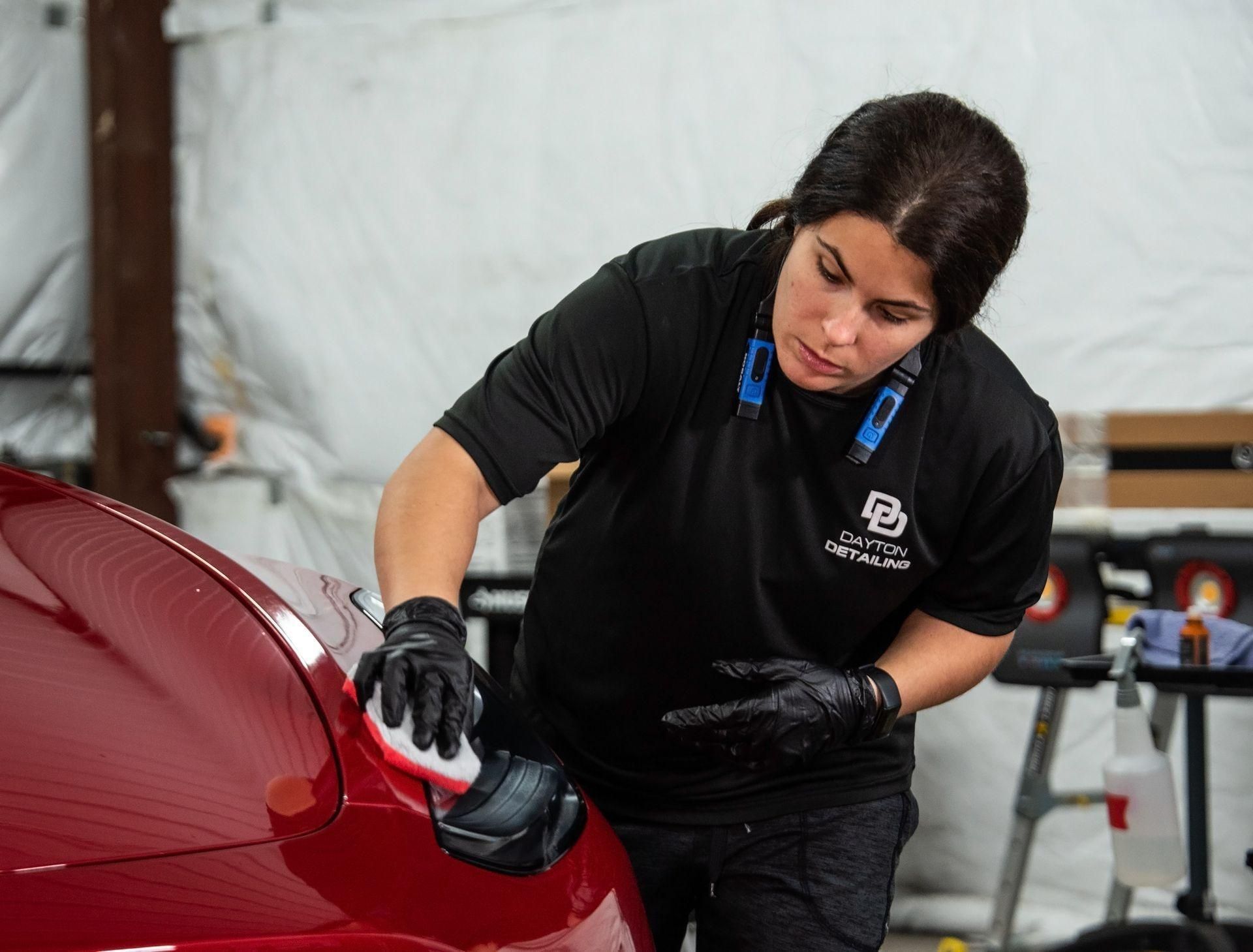
Once the vehicle has been properly prepared, consistent application is essential for achieving an even finish. The coating needs to be applied carefully across the relevant painted surfaces so that coverage is uniform and the product is properly leveled during installation. This attention to application can influence both the visual result and the consistency of hydrophobic behavior across different panels. Professional installation helps reduce the likelihood of uneven coverage and allows the coating process to be handled with the appropriate attention to surface condition, application, and finishing.
Maintaining the Coating After Installation
Ceramic coating still requires proper care after installation to maintain its appearance and hydrophobic performance. Regular washing helps remove road grime, dust, and contaminants before they have an opportunity to accumulate on the exterior. Vehicle owners should also follow appropriate washing practices and use products that are suitable for coated surfaces. Although the coating can make maintenance easier, it is not a substitute for routine cleaning. Consistent care allows Dayton drivers to get more value from their ceramic coating while keeping the vehicle looking cleaner and maintaining its glossy finish through changing weather conditions.
Is Ceramic Coating a Practical Choice for Rainy Weather in Dayton, OH?
For drivers who regularly deal with rain, wet roads, and the buildup of road grime, ceramic coating can be a practical way to make exterior maintenance easier. Its hydrophobic characteristics encourage water to bead and roll away rather than spreading broadly across the paint, which can help reduce water retention and make routine washing more manageable. A coating can also support the vehicle's glossy appearance while adding a protective layer against everyday environmental exposure. At Dayton Detailing, professional protective coating services are available for vehicle owners who want to make rainy-season maintenance more convenient while supporting the long-term appearance of their paint.
Contact us to learn more about ceramic coating and protective coating options.
